
←
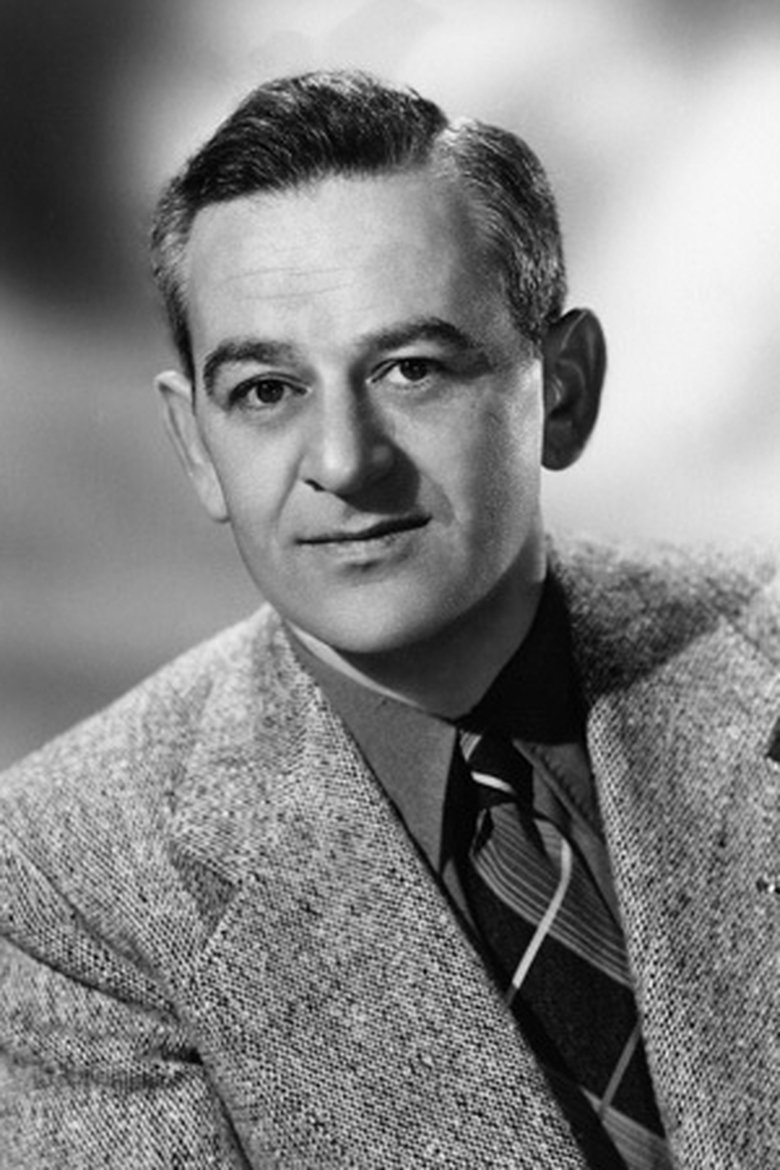
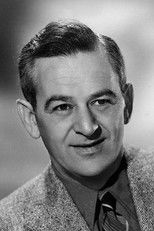
Meet William Wyler
★ Directing🎥 17 films📺 5 TV shows📅 1936–2025🔥 1
Also known as: Wilhelm Weiller, Bill Wyler, 윌리엄 와일러, 윌리암 와일러
Born in Mülhausen, Alsace-Lorraine, German Empire [now Mulhouse, Haut-Rhin, France]
1902-07-01 (age 79 at death)
Died 1981-07-27
William Wyler (July 1, 1902 – July 27, 1981) was a German-born film director, producer, and screenwriter. Notable works include Ben-Hur (1959), The Best Years of Our Lives (1946), and Mrs. Miniver (1942), all which won Wyler Academy Awards for Best Director, and also won Best Picture. He earned his first Oscar nomination for directing Dodsworth in 1936, sparking a 20-year run of almost unbroken greatness.
Film historian Ian Freer calls Wyler a "bona fide perfectionist," whose penchant for retakes and an attempt to hone every last nuance "became the stuff of legend." His ability to direct a string of classic literary adaptations into huge box office and critical successes made him one of Hollywood's most bankable moviemakers during the 1930s and 1940s.
From Wikipedia
William Wyler (; born Willi Wyler (German: [ˈvɪli ˈvi:lɐ]); July 1, 1902 – July 27, 1981) was a German-born American film director and producer. Known for his work in numerous genres over five decades, he received numerous awards and accolades, including three Academy Awards. He holds the record of twelve nominations for the Academy Award for Best Director. For his oeuvre of work, Wyler was awarded the Irving G. Thalberg Memorial Award, the Directors Guild of America Lifetime Achievement Award, and the American Film Institute Life Achievement Award.
Wyler emigrated to the United States in 1921 where he worked first for Universal Studios in New York before moving to Los Angeles. By 1925, he was the youngest director at Universal, and in 1929 he directed Hell's Heroes, Universal's first sound production filmed entirely on location. Wyler went on to win the Academy Award for Best Director three times, for Mrs. Miniver (1942), The Best Years of Our Lives (1946), and Ben-Hur (1959), all of which also won for Best Picture. He was Oscar-nominated for Dodsworth (1936), Wuthering Heights (1939), The Letter (1940), The Little Foxes (1941), The Heiress (1949), Detective Story (1952), Roman Holiday (1953), Friendly Persuasion (1956), and The Collector (1965).
Film historian Ian Freer calls Wyler a "bona fide perfectionist", whose penchant for retakes and an attempt to hone every last nuance "became the stuff of legend." His ability to direct a string of classic literary adaptations into huge box-office and critical successes made him one of "Hollywood's most bankable moviemakers" from the 1930s to the 1960s. Through his talent for staging, editing, and camera movement, he turned dynamic theatrical spaces into cinematic ones. Wyler is also known for his work as an actors' director, often propelling them to stardom.
Web: Not available

Powered by TMDB. © MyMovieScripts.com. All Rights Reserved. Make your videos interactive|Built by  TouchPoint.Video
TouchPoint.Video