
←
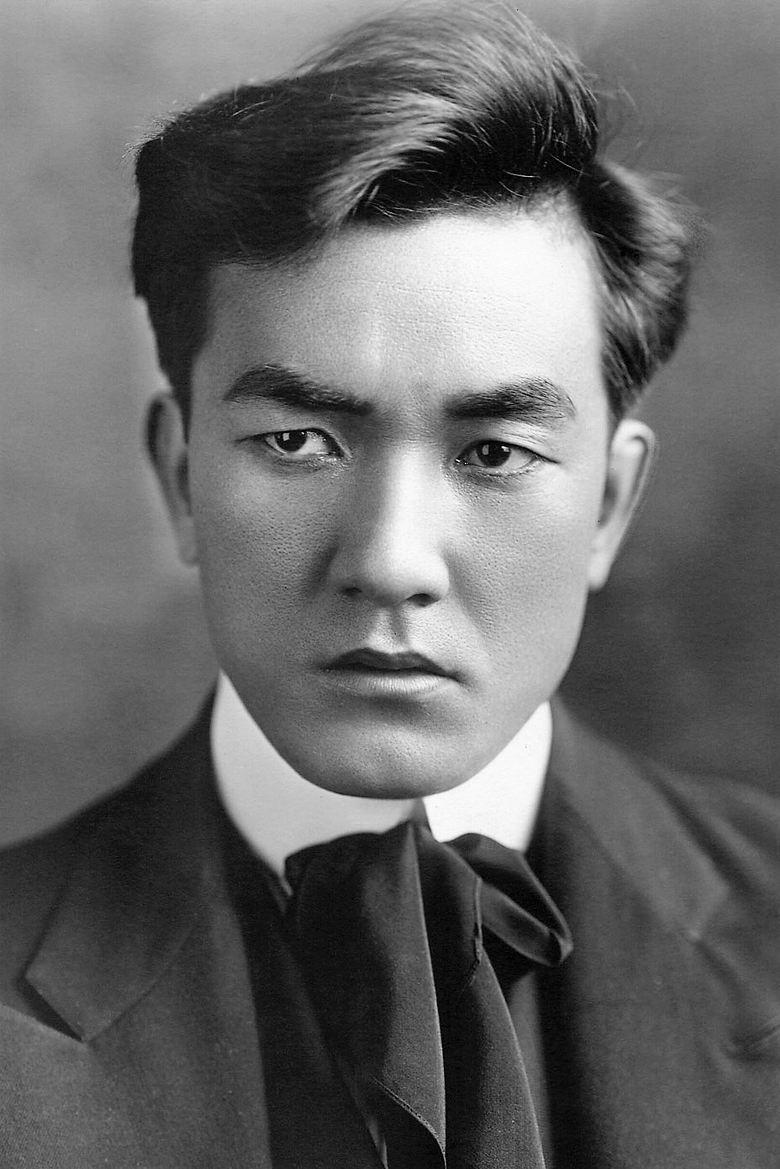
Meet Sessue Hayakawa
★ Acting🎥 96 films📺 3 TV shows📅 1914–2020🔥 1
Also known as: 早川雪洲, Kintarō Hayakawa, 早川 金太郎
Born in Nanaura, Chiba, Japan
1889-06-10 (age 84 at death)
Died 1973-11-23
Sessue Hayakawa (June 10, 1889 – November 23, 1973) was a Japanese and American Issei (Japanese immigrant) actor who starred in American, Japanese, French, German, and British films. Hayakawa was the first and one of the few Asian actors to find stardom in the United States as well as Europe. Between the mid-1910s and the late 1920s, he was as well known as actors Charlie Chaplin and Douglas Fairbanks. He was one of the highest paid stars of his time; making $5,000 a week in 1915, and $2 million a year via his own production company during the 1920s. He starred in over 80 movies and has two films in the U.S. National Film Registry. His international stardom transitioned both silent films and talkies.
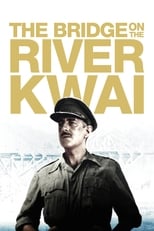
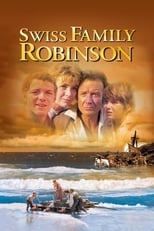
Of his English-language films, Hayakawa is probably best known for his role as Colonel Saito in the film The Bridge on the River Kwai, for which he received a nomination for Academy Award Best Supporting Actor in 1957. He also appeared as the pirate leader in Disney's Swiss Family Robinson in 1960. In addition to his film acting career, Hayakawa was a theatre actor, film and theatre producer, film director, screenwriter, novelist, martial artist, and an ordained Zen master. Description above from the Wikipedia article Sessue Hayakawa, licensed under CC-BY-SA, full list of contributors on Wikipedia.
From Wikipedia
Kintarō Hayakawa (June 10, 1886 – November 23, 1973), known professionally as Sessue Hayakawa, was a Japanese actor. He was a popular star and matinée idol in Hollywood during the silent film era of the 1910s and early 1920s. Hayakawa was the first actor of Asian descent to achieve stardom as a leading man in the United States and Europe. His "broodingly handsome" good looks and typecasting as a sexually dominant villain made him a heartthrob among American women during a time of racial discrimination, and he became one of the first male sex symbols of Hollywood.
After withdrawing from the Japanese naval academy and attempting suicide at 18, Hayakawa attended the University of Chicago, where he studied political economics in accordance with his wealthy parents' wish that he become a banker. Upon graduating, he traveled to Los Angeles to board a scheduled ship back to Japan, but tried acting in Little Tokyo. Hayakawa impressed Hollywood figures and was signed to star in The Typhoon (1914). He made his breakthrough in The Cheat (1915), and became famous for his roles as a forbidden lover. Hayakawa was one of the highest-paid stars of his time, earning $5,000 per week in 1915 and $2 million per year through his own production company from 1918 to 1921. Because of rising anti-Japanese sentiment and business difficulties, Hayakawa left Hollywood in 1922 and performed on Broadway and in Japan and Europe for many years before making his Hollywood comeback in Daughter of the Dragon (1931).
Of his talkies, Hayakawa is probably best known for his role as Colonel Saito in The Bridge on the River Kwai (1957), which earned him a nomination for the Academy Award for Best Supporting Actor, and the pirate captain in Swiss Family Robinson (1960). Hayakawa starred in over 80 feature films, and three of his films (The Cheat, The Dragon Painter, and The Bridge on the River Kwai) stand in the United States National Film Registry.Web: Not available
Highest Rated Films


Powered by TMDB. © MyMovieScripts.com. All Rights Reserved. Make your videos interactive|Built by  TouchPoint.Video
TouchPoint.Video